
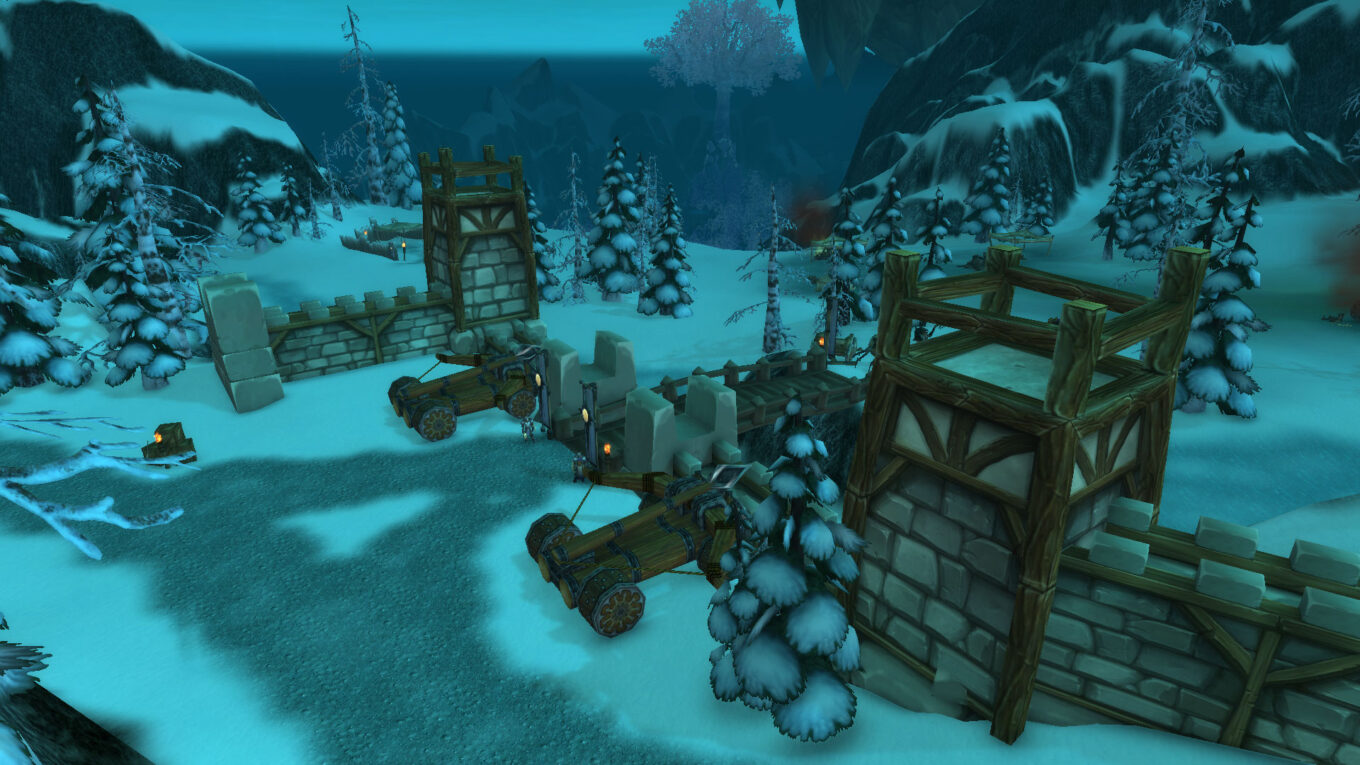
The narrative of the Argent Crusade and the Ebon Blade in World of Warcraft: Wrath of the Lich King is a compelling tale of unity against a common enemy. These two factions, once divided by ideology and purpose, ultimately came together to combat the Scourge horrors threatening Azeroth. This guide delves into the intricate storytelling, character development, and gameplay mechanics that illustrate how their alliance was forged and the implications it had for players and the lore of the game.
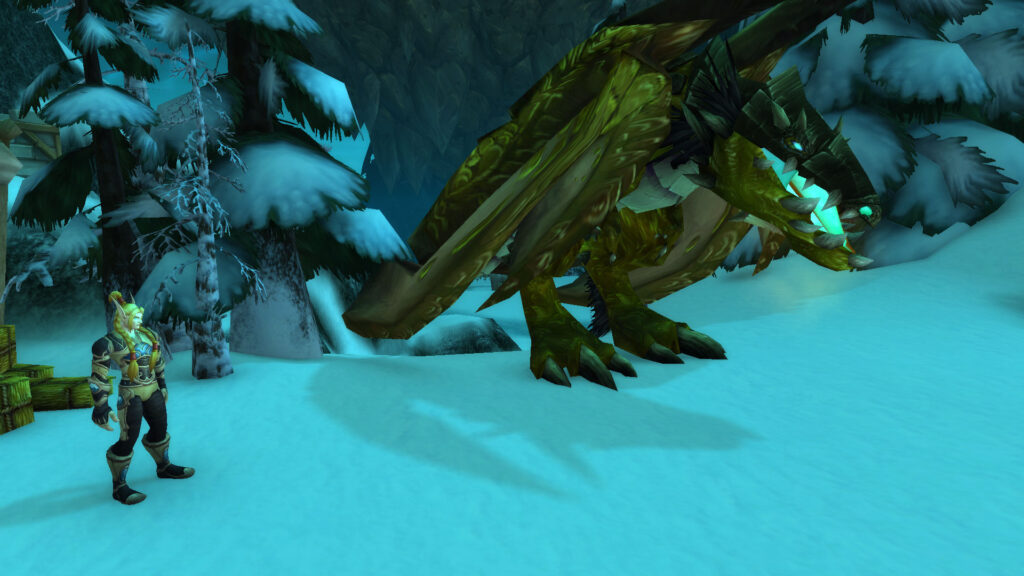
What are the key differences between the Argent Crusade and the Ebon Blade?
The Argent Crusade is a holy order focused on eradicating the Scourge through light and righteousness, while the Ebon Blade is a faction of death knights seeking redemption and revenge against their former masters.
Understanding the distinctions between these two factions is crucial for grasping their eventual alliance. The Argent Crusade, formed from the remnants of the Silver Hand and other noble orders, embodies the light’s will to purify the undead. In contrast, the Ebon Blade, comprised of former Scourge minions, represents a darker path of redemption through vengeance. The following table outlines their key attributes and philosophies.
| Faction | Core Belief | Leadership | Primary Goal |
|---|---|---|---|
| Argent Crusade | Eradication of evil through the light | Highlord Tirion Fordring | Defeat the Lich King |
| Ebon Blade | Redemption through vengeance | Darion Mograine | Defeat the Scourge and reclaim their honor |
| Common Goal | Unity against the Scourge | Joint leadership in battle | End the Lich King’s reign |
How did the Argent Crusade and Ebon Blade overcome their differences?
Through shared experiences and the dire threat posed by the Scourge, the Argent Crusade and Ebon Blade found common ground, leading to a powerful alliance.
The initial animosity between the Argent Crusade and the Ebon Blade stemmed from their contrasting ideologies. The Argent Crusade, with its emphasis on purity and the light, viewed the death knights as abominations, while the Ebon Blade saw themselves as warriors fighting against their past. However, the Scourge’s relentless assault on Azeroth forced both factions to confront their prejudices. The dire need for unity became evident as they faced overwhelming odds, leading to a gradual shift in perception and collaboration.
Mechanically, the narrative arc is supported by quests and in-game events that highlight their interactions. Players witness pivotal moments where leaders from both factions engage in dialogue, showcasing their evolving relationship. For instance, during the Battle for Light’s Hope Chapel, players participate in a joint effort to reclaim a sacred site from the Scourge, symbolizing their newfound cooperation. This event serves as a narrative device that reinforces the themes of redemption and unity, allowing players to experience the transformation firsthand.
Furthermore, the development of key characters, such as Tirion Fordring and Darion Mograine, plays a significant role in bridging the gap between the two factions. Their personal journeys of loss and redemption resonate with players, creating emotional stakes that enhance the narrative’s depth. By showcasing their struggles and victories, the game emphasizes the importance of collaboration in the face of adversity, ultimately leading to a united front against the Lich King.
What steps did the Argent Crusade and Ebon Blade take to unite?
The unification of the Argent Crusade and Ebon Blade involved strategic meetings, joint missions, and the establishment of a shared command structure to effectively combat the Scourge.
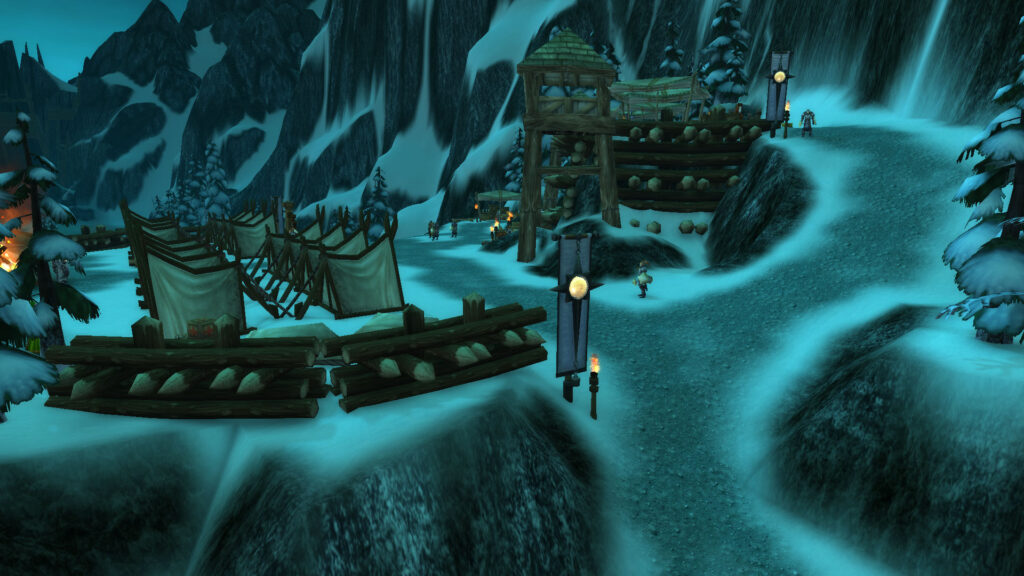
The process of unification was not instantaneous; it required careful planning and execution. Initially, representatives from both factions held discussions to address their differences and establish a common goal. These meetings were crucial in fostering understanding and respect between the two groups. Following these discussions, they organized joint missions to combat Scourge forces, allowing members of both factions to work side by side and build trust through shared experiences.
- Establish a dialogue between faction leaders to address ideological differences.
- Organize joint missions to combat Scourge threats, fostering teamwork.
- Create a unified command structure for coordinated efforts against the Lich King.
- Develop shared objectives and celebrate victories to strengthen the alliance.
These steps were essential in solidifying their alliance. The joint missions not only provided practical benefits in terms of combat effectiveness but also served as a narrative tool to illustrate their growing camaraderie. Players engaged in these missions, witnessing firsthand the transformation of former enemies into allies. The establishment of a unified command structure allowed for more efficient strategies and resource allocation, ultimately leading to significant victories against the Scourge.
What are the strategic implications of the Argent Crusade and Ebon Blade alliance?
The alliance between the Argent Crusade and Ebon Blade significantly shifted the balance of power against the Scourge, showcasing the strength of unity in overcoming formidable foes.
The strategic implications of this alliance are profound, as it not only enhanced their combat capabilities but also altered the narrative landscape of Azeroth. By combining their strengths, the Argent Crusade’s holy warriors and the Ebon Blade’s death knights created a formidable force capable of challenging the Lich King’s reign. This collaboration demonstrated that even the most disparate factions could unite for a common cause, setting a precedent for future alliances in the game’s lore.
Moreover, the alliance allowed for the sharing of resources and intelligence, which proved vital in planning assaults against Scourge strongholds. The combined forces could execute more complex strategies, leveraging the unique abilities of both factions. For instance, while the Argent Crusade provided healing and support, the Ebon Blade contributed powerful offensive capabilities. This synergy not only increased their chances of success but also enriched the gameplay experience for players, who could engage in diverse combat scenarios.
In conclusion, the strategic partnership between the Argent Crusade and Ebon Blade serves as a testament to the power of collaboration in the face of overwhelming adversity. Their united front against the Scourge not only reshaped the narrative of Wrath of the Lich King but also left a lasting impact on the lore of World of Warcraft, inspiring future generations of players to seek unity in their own battles.
What challenges did the Argent Crusade and Ebon Blade face during their alliance?
Despite their united front, the Argent Crusade and Ebon Blade faced numerous challenges, including internal conflicts, external threats, and the lingering distrust between their members.
Throughout their alliance, both factions encountered significant challenges that threatened to undermine their efforts. Internal conflicts arose from the deeply ingrained beliefs of the Argent Crusade, which often viewed the Ebon Blade’s methods as morally questionable. This ideological clash created tension during joint operations, as some members struggled to accept their new allies. Additionally, external threats from the Scourge continued to mount, necessitating constant vigilance and cooperation, which was sometimes difficult to maintain amidst internal strife.
Furthermore, the lingering distrust between members of both factions posed a significant hurdle. Many Argent Crusade members were initially hesitant to accept death knights as allies, fearing their dark pasts. This distrust manifested in various ways, from reluctance to share resources to outright sabotage during missions. Overcoming these challenges required strong leadership and a commitment to the shared goal of defeating the Lich King. Leaders like Tirion Fordring and Darion Mograine had to work tirelessly to foster a sense of unity and purpose among their ranks.
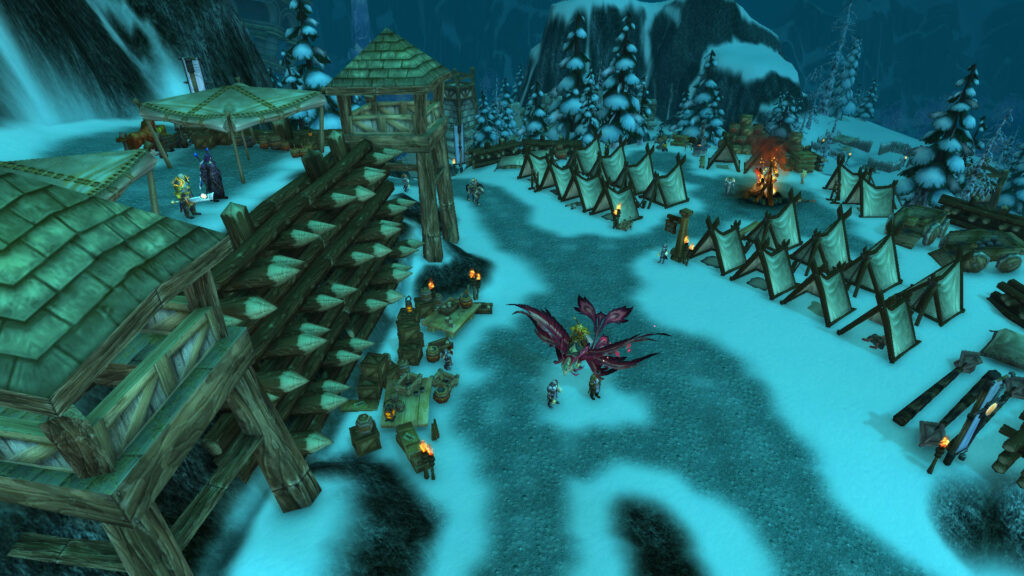
Ultimately, the ability of both factions to confront and address these challenges played a critical role in their success. By promoting open communication and emphasizing their shared objectives, they were able to build a more cohesive alliance. This narrative arc not only enhances the depth of the story but also serves as a reminder of the complexities involved in forging alliances in times of crisis.
What future trends can we expect from the Argent Crusade and Ebon Blade narrative?
Future narratives involving the Argent Crusade and Ebon Blade are likely to explore themes of redemption, unity, and the ongoing struggle against darkness in Azeroth.
As the lore of World of Warcraft continues to evolve, the stories surrounding the Argent Crusade and Ebon Blade will likely delve deeper into the themes of redemption and the consequences of their past actions. The narrative has set a foundation for exploring how former enemies can work together to overcome shared challenges, which can resonate with players on a personal level. Future expansions may introduce new threats that require these factions to unite once again, reinforcing the importance of collaboration in the face of adversity.
Moreover, the ongoing development of characters within these factions can provide rich storytelling opportunities. As players engage with these characters, they may witness further growth and transformation, illustrating the complexities of morality and the quest for redemption. This character-driven narrative approach can enhance player engagement and investment in the story, as they navigate the evolving dynamics between the Argent Crusade and Ebon Blade.
In conclusion, the future of the Argent Crusade and Ebon Blade narrative promises to be filled with rich storytelling, character development, and thematic exploration. As players continue to engage with these factions, they can expect to see their struggles and triumphs reflected in the broader narrative of Azeroth, reinforcing the idea that unity is essential in the ongoing battle against darkness.